



Subscribe and receive email notifications of new blog posts.
 RSS Feed
17
Should You Rake Your Leaves or Mulch Them Into the Lawn? A Guide for Cherokee County, NC and the Mountains Around It
If you live in Cherokee County, you know the drill. The ridges turn first, then the color works its way down into the valleys. Then one windy week, it all lands in your yard.
Folks in Murphy, Andrews, Marble, Hayesville, Blairsville and Copperhill all face the same question every fall. Do you break out the rake, or let the mower handle it?
Short answer: you don't have to rake every leaf. Mulching some of them can save you time, cut down on yard waste and put nutrients back in the soil. But too many leaves can hurt your grass. Here's how to tell the difference.
Why Mulching Leaves Works
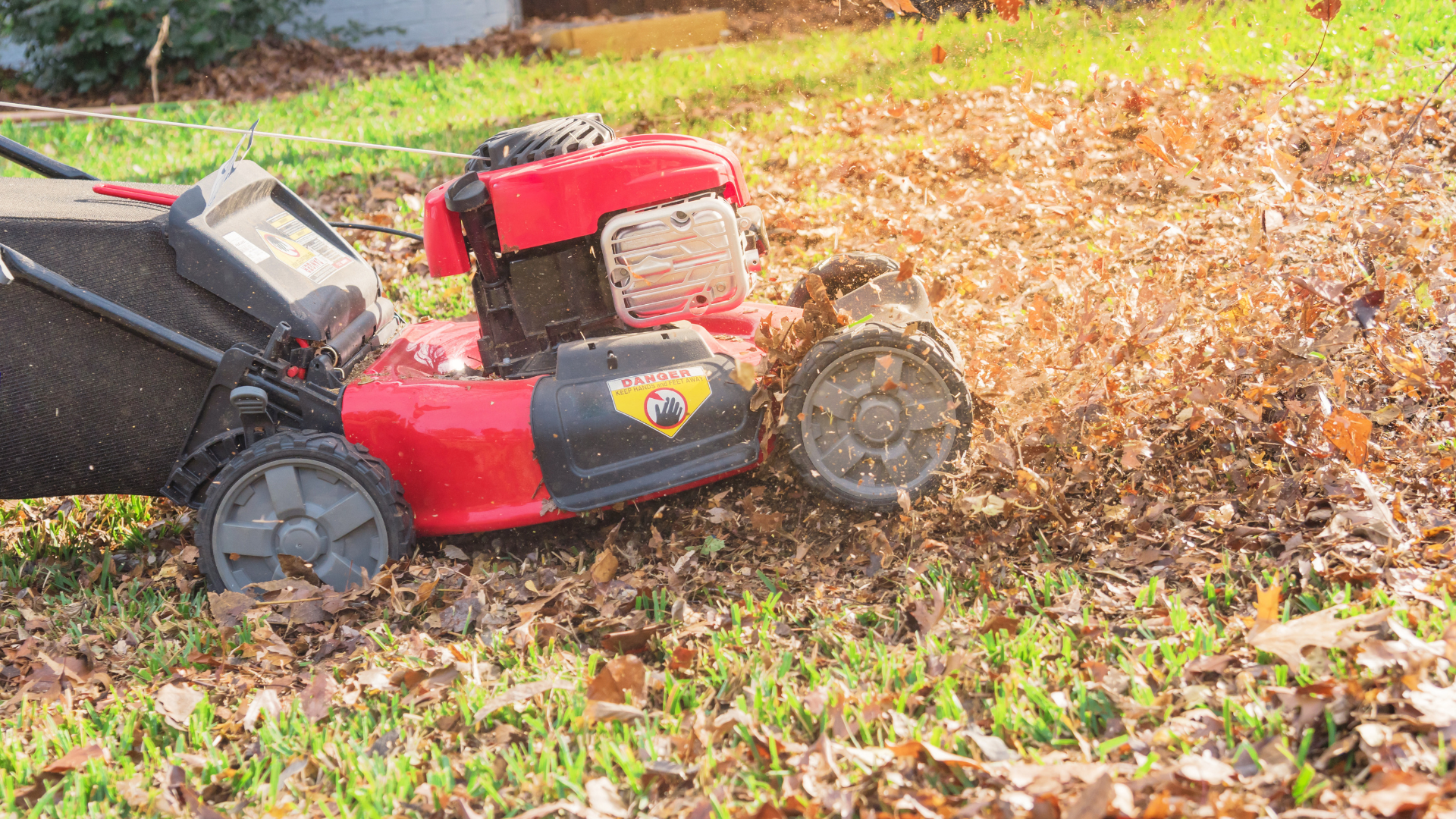
When you mow dry leaves, the mower chops them into small pieces. Those pieces settle down between the grass blades and break down. As they decompose, they add nutrients and organic matter and help improve soil structure.
Mow with a mulching mower. If the leaf layer isn't too heavy, the little pieces work their way down into the turf.
There's a bonus for people with mountain soil. Shredded leaves are a good way to add organic matter to heavy clay. Anyone who's tried to dig a hole in red clay knows why that matters.
Research shows that mulching leaves into your lawn year after year works. Depending on your mower, you can successfully mulch a layer up to 6 inches deep. Over time, you'll likely see fewer dandelions and less crabgrass. The leaf bits fill in the bare spots where weeds like to sprout.
Tips for better results:
- Mow when the leaves are dry. Wet leaves clump up and don't chop well.
- Make a second pass if you still see big pieces.
- Keep your mower blades sharp. Dull blades tear leaves instead of chopping them.
- Be careful on slopes. Wet leaves are slick, and a lot of us mow on hills. If you can't mow a bank safely, rake it.
When There Are Too Many Leaves
Too much of a good thing is still too much. A thick layer of leaves can block sunlight, trap moisture and smother your grass. That's a bigger deal for cool-season lawns like tall fescue and Kentucky bluegrass, which are common in the mountains. They stay green into winter, so they still need light.
Lots of mountain yards have big oaks, maples and tulip poplars. If you're under a few of them, you'll get more leaves than a lawn can handle in one go.
The Simple Rule
- If you can still see plenty of grass after mowing, keep mulching.
- If leaves pile up and cover most of the lawn, rake or collect the excess.
- Compost the leaves you collect, or use them as mulch around your garden beds.
Mix Both Methods
For most mountain yards, the best approach is some of each. Mulch manageable amounts through the season. When the leaves get heavy, remove the extra. Your lawn gets the benefits without spending winter under a soggy blanket.
Timing: It Depends on Your Elevation
Leaves don't all fall at once around here. Color starts at the highest elevations in late September. Lower valleys typically peak in late October and early November. So a neighbor up on the ridge may be raking weeks before you are.
That works in your favor. If you mulch lightly and often, you won't get one big pile at the end.
What to Do With the Extra Leaves
Use them in garden beds. Shredded leaves make good mulch. They also don't blow around like whole leaves. That helps on windy ridgetops.
Compost them. Mixing leaves with grass clippings, kitchen scraps or coffee grounds speeds things up. A word on oak leaves: they have less nitrogen and a lot of tannins, so they break down slowly. NC State recommends mixing them with high-nitrogen materials to speed things along. Expect about a year for finished compost.
Leave some where they fall. Under mature trees and along woodland edges, leaf litter is part of the natural cycle. It gives shelter to overwintering insects and other small critters. If you have a wooded lot, you don't need to clear every inch.
Haul the rest away. If you've got more brush and yard waste than you can mulch, compost or burn, take it to your local landfill or yard waste drop-off. Call ahead to check hours and fees.
A Word About Burning Leaves
A lot of us grew up burning the leaf pile. If you still do, know the rules before you strike a match.
- In North Carolina, a burn permit is required between midnight and 4 p.m. for any open burn that will take place more than 100 feet from an occupied dwelling. A permit is also required for any burn larger than a small yard-debris pile.
- Burn only natural vegetation, like leaves, branches and yard debris.
- During a burn ban, there's no open burning at all, permit or not.
- Town limits and county rules may add restrictions.
- If you're across the line in Georgia or Tennessee, your rules are different. Check with your state forestry agency before you burn.
Mulching skips the whole issue. No permit, no smoke and no worry about a dry, windy day.
Thinking About Your Own Yard?
Fall is a good time to look at what you've got. Are your trees a blessing or a chore? Do you want a bigger lot or something easier to maintain? Is a smaller place with less to rake sounding better and better?
Whatever you're looking for, we can help you find it in Cherokee County, NC, or in the nearby North Georgia and East Tennessee mountains.



Privacy Policy / DMCA Notice / ADA Accessibility


