
Sonya & Joey Reid
REALTOR®



Selling The Appalachians
 RSS Feed
Subscribe and receive email notifications of new blog posts.
RSS Feed
Cherokee County Folklore | 9 Posts
Home & Lifestyle | 8 Posts
Home Security & Safety | 4 Posts
Home Selling | 2 Posts
Land Buying and Investing | 1 Posts
Market Trends | 1 Posts
Real Estate Investing | 1 Posts
Repair & Renovate | 5 Posts
Uncategorized | 1 Posts
August
20
20
Keep Your Yard Healthy Without Wasting Water
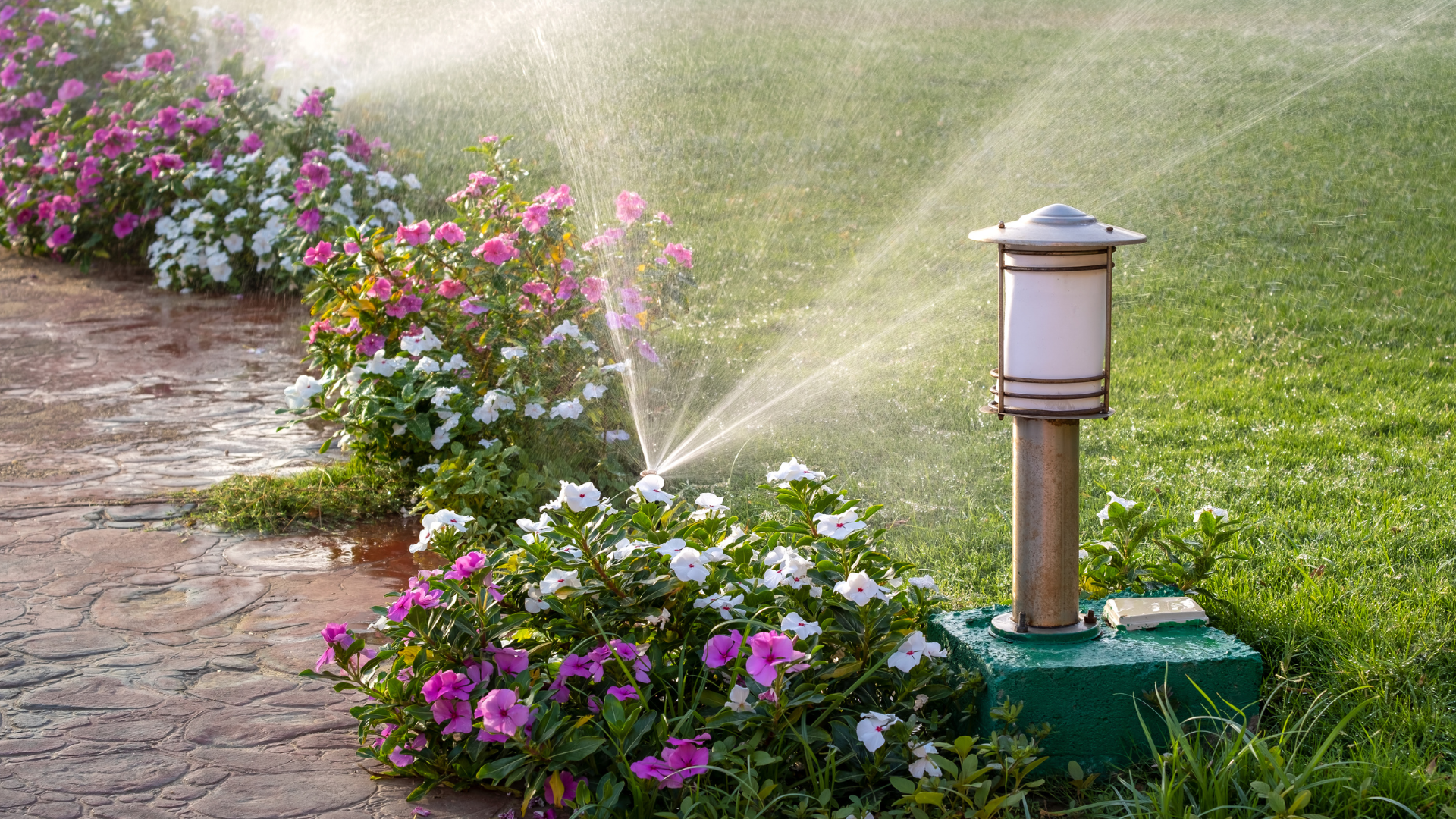
Late-summer heat can leave lawns and gardens looking tired, but watering more is not always the answer. A few smart adjustments can help plants stay healthy while reducing runoff, evaporation and unnecessary water use.
Use this late-summer watering checklist:
- Water in the early morning when temperatures are cooler and winds are usually lighter
- Check the soil before turning on sprinklers since recent rain may have provided enough moisture
- Water deeply rather than briefly so moisture reaches plant roots
- Aim sprinklers at grass and garden beds, not sidewalks or driveways
- Inspect hoses, sprinkler heads and irrigation lines for leaks
- Add mulch around plants to help the soil hold moisture longer
Most established landscapes do better with less frequent, deeper watering than with a light daily spray. Plant type, soil and local weather all affect how much water your yard needs, so watch for signs of stress instead of relying only on a fixed schedule.
August is also a good time to adjust automatic irrigation settings as daylight and weather begin to shift. Paying attention now can protect your landscaping, lower your water bill and help conserve an important resource without sacrificing a healthy-looking yard.



Privacy Policy / DMCA Notice / ADA Accessibility


This site is hosted, designed and copyright
© 1994 - 2026 by
Delta Media Group, Inc. -- Patent Pending --