



Subscribe and receive email notifications of new blog posts.
 RSS Feed
23
Inspecting Your Roof After Winter Weather
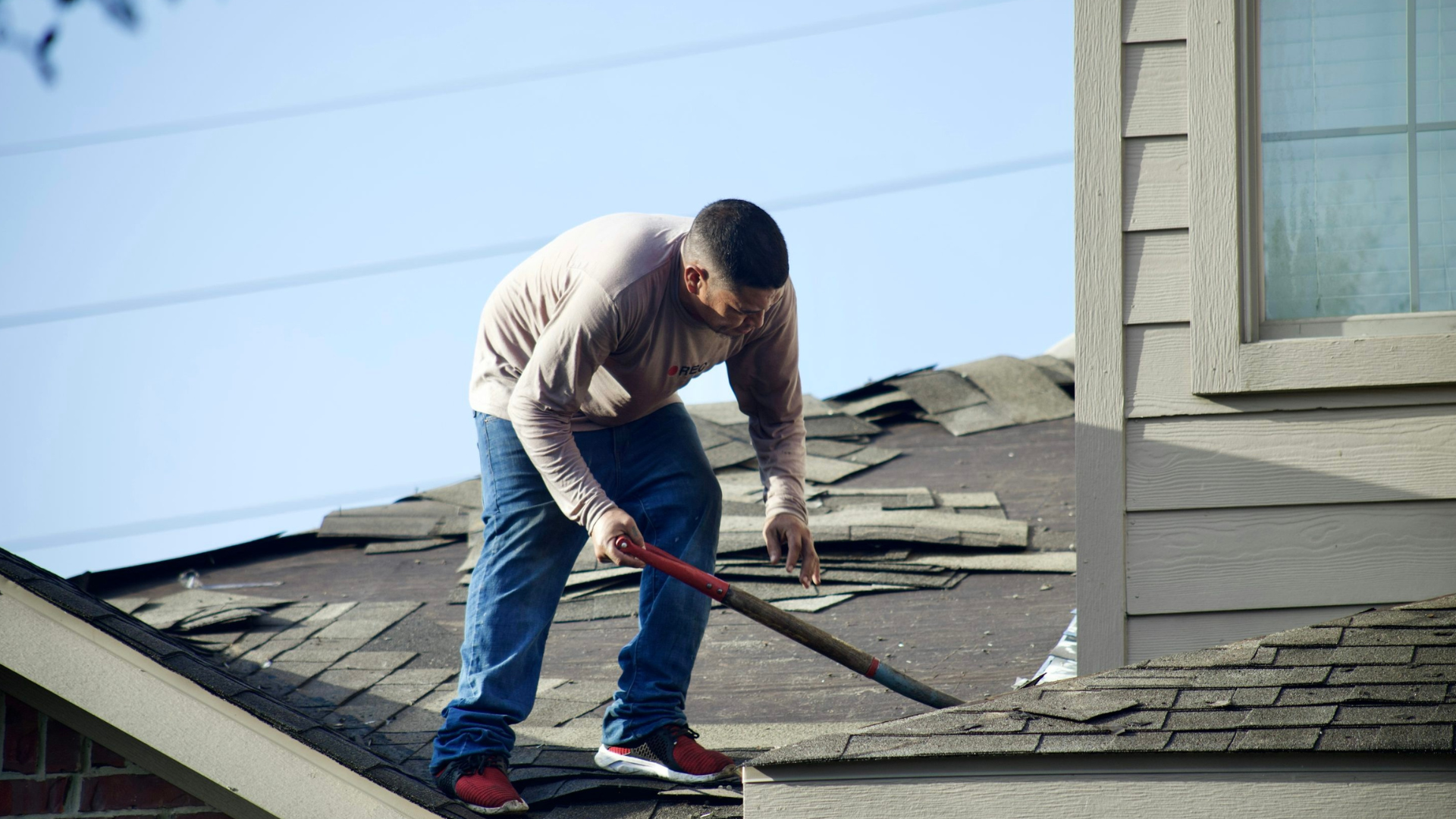
Winter storms can quietly damage roofing materials. Snow buildup, ice and fluctuating temperatures often loosen shingles or create small cracks that lead to leaks if ignored. A spring inspection helps catch problems before they grow.
Start by visually checking your roof from the ground. Look for missing, curled or cracked shingles, especially along edges and ridges. These are common signs that winter winds or ice have lifted the roofing materials.
Next, inspect flashing around chimneys, skylights and roof vents. These metal seals are designed to keep water out, but they can loosen over time. Also check gutters for shingle granules, which may indicate that shingles are wearing down.
Tip: If you notice several damaged shingles or signs of water inside your home, contact a roofing professional for a closer inspection.
Regular inspections can extend the life of your roof and help prevent costly repairs. Spending a few minutes checking your roof after winter storms can save significant time, stress and expense later in the year.



Privacy Policy / DMCA Notice / ADA Accessibility


