



Selling The Appalachians
Subscribe and receive email notifications of new blog posts.
 RSS Feed
3
What Homeowners Should Know About Pool Safety

21
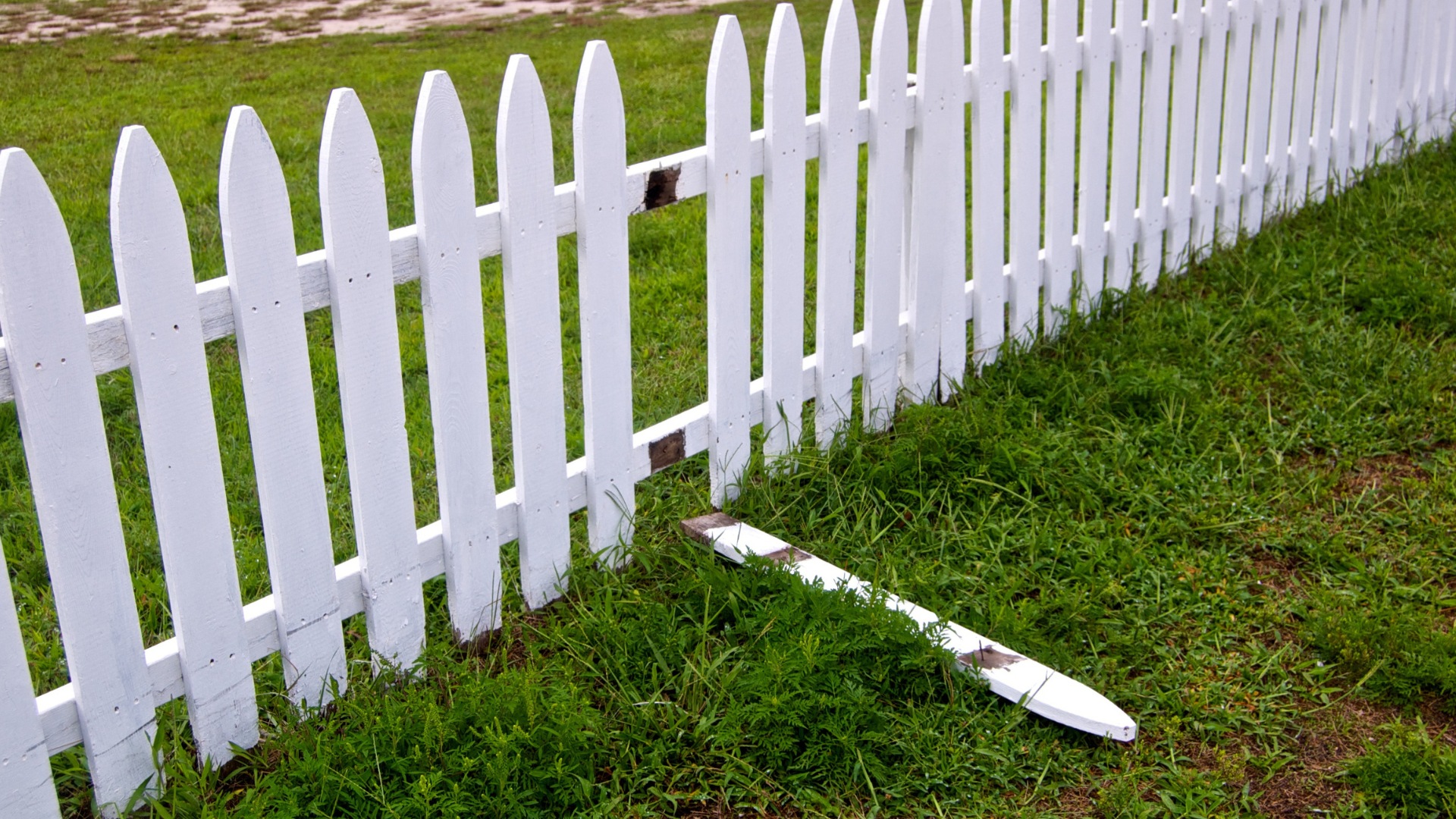
When to Repair vs. Replace Your Fence
15
Simple Ways to Make Your Backyard More Mosquito-Resistant

19
Easy Ways to Make Your Entryway Summer-Ready
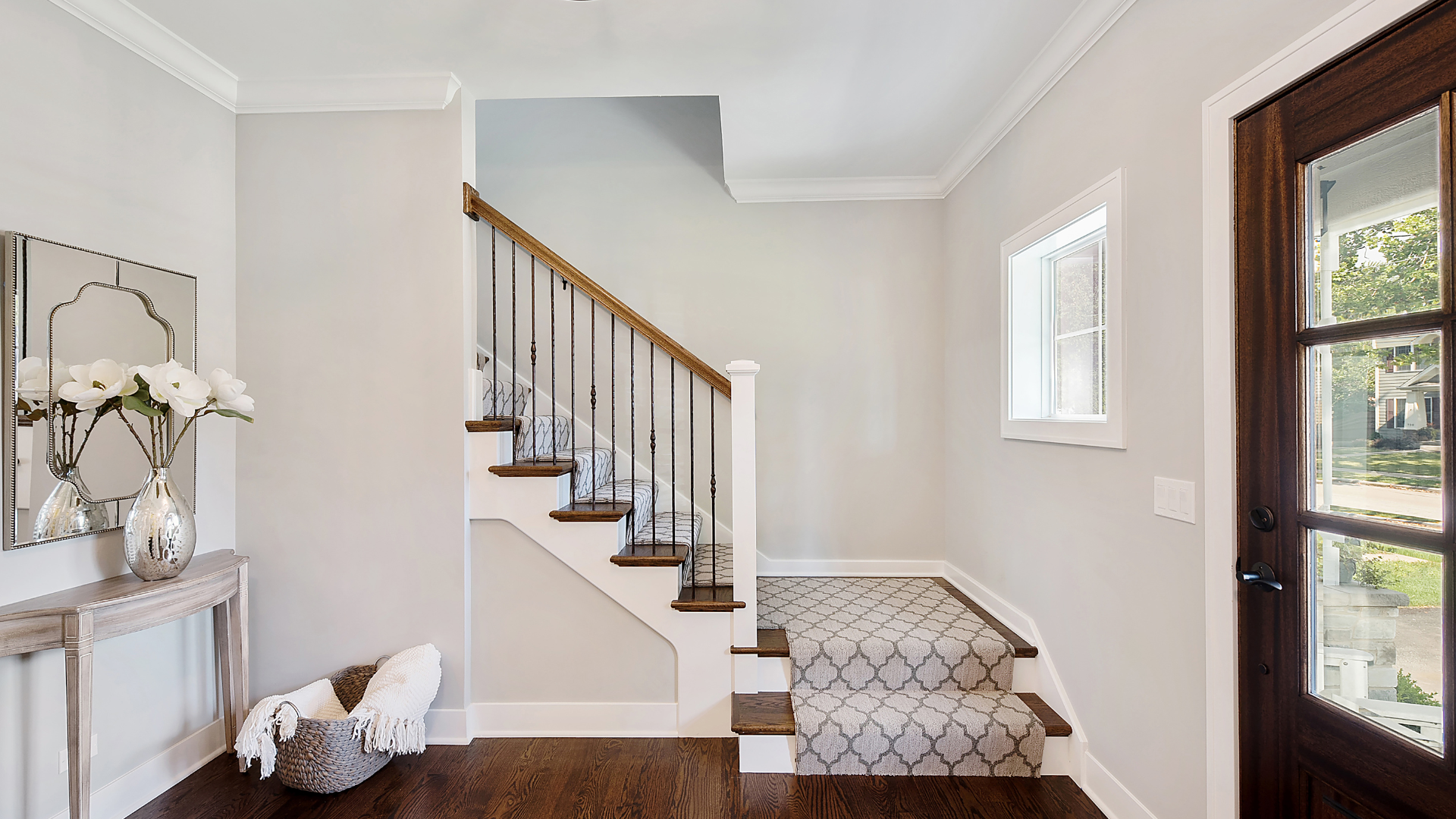
Your entryway sets the tone for the rest of your home, and summer is a great time to lighten it up. After months of heavy coats, muddy shoes and winter clutter, a seasonal refresh can make the space feel more functional and welcoming.
Start by clearing out anything you no longer need on a daily basis. Store winter gear, donate unused items and free up space for the things summer brings, like sandals, sun hats, tote bags or beach towels. Swapping in a lighter rug or doormat can also make the area feel cleaner and more seasonal.
A few decorative updates can go a long way. Try adding a basket for grab-and-go essentials, a vase of greenery or a brighter piece of wall art. If space allows, a bench or small stool can make the entryway more useful while giving the area a finished...
18
Expert Tips for Staging a Home to Attract Buyers

Staging is simply the process of preparing your home so buyers can instantly picture themselves living there. It is not decorating for your own taste. It is arranging furniture, color, light, and flow so the house feels calm, spacious, and easy to understand the moment someone walks in or scrolls through photos.
In Western NC, North Georgia and East Tennessee staging carries extra weight. Buyers are not just shopping for a structure, they are shopping for a lifestyle. They want to know how that living room holds up on a rainy mountain day, where they will drop hiking gear, how a deck or porch works for coffee with a view, and whether a driveway feels manageable after dark. Smart staging answers those questions without a word.
Why Staging Matters In This Market



Privacy Policy / DMCA Notice / ADA Accessibility


